From Processional to Recessional: Creating Your Perfect Ceremony Soundtrack
/There is a particular kind of silence that falls over a room in the moment before a bride begins her walk down the aisle. The guests rise. The string players draw their bows. And then, music, the kind that turns a hallway, a garden path, or a church aisle into the most important sixty seconds of someone’s life.
At Luminous Sounds, we believe your ceremony soundtrack deserves the same intention as your dress, your venue, or your vows. The right wedding ceremony music order does more than fill silence. It tells your story, in real time, to the people who love you most. Here is how we think about building that story, from the first prelude note to the final recessional chord.
Prelude Music Selection: Setting the Tone Before the Tone Is Set
The prelude is the most overlooked piece of ceremony music structure, and it shouldn’t be. This is the 20 to 30 minutes before anything “officially” begins, while guests are arriving, finding their seats, and settling into anticipation. It is your first impression, and it deserves real prelude music selection rather than an afterthought playlist.
Couples we work with generally land in one of two directions.
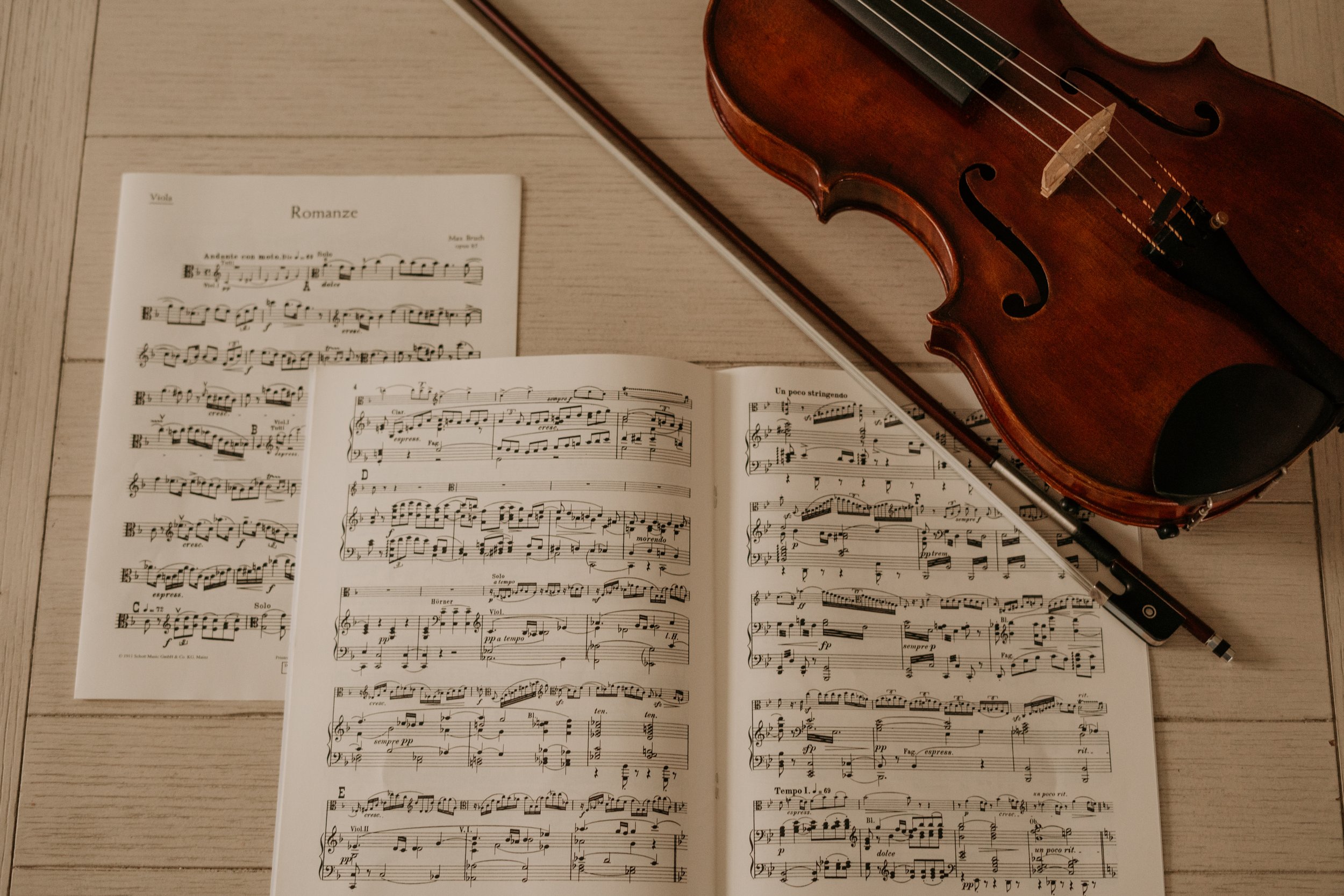
The first is a classical prelude, built from pieces like Bach’s “Air on the G String,” Elgar’s “Salut d’Amour,” Beethoven’s “Romance,” Purcell’s “Trumpet Tune,” Pachelbel’s “Canon in D,” or the warmth of Bach’s Brandenburg Concerto No. 3. These selections create an atmosphere of timeless elegance, the kind that feels appropriate whether you are marrying in a cathedral or a vineyard.
The second is a romantic, contemporary prelude, arranged for strings: songs like Adele’s “Make You Feel My Love,” Christina Perri’s “A Thousand Years,” Leonard Cohen’s “Hallelujah,” the theme from “About Time,” Andrea Bocelli’s “The Prayer,” or the main title from “The Notebook.” These selections still feel formal and beautiful in a live string arrangement, but they carry a more personal, emotionally familiar resonance for guests.
Neither direction is more “correct.” The right choice depends on the feeling you want guests to settle into as they wait, reverence, nostalgia, romance, or all three.
Wedding Music Structure: The Three Processionals
Once the ceremony truly begins, your music takes on a different job: it has to move people, literally, while carrying an emotional arc that builds toward the moment your officiant says, “We are gathered here today.” Most ceremonies are structured around three distinct processions, each with its own musical opportunity.
1. The Family Processional
This is the music that plays as parents, grandparents, and honored family members are seated. It tends to be a touch more understated, setting a tone of warmth without yet building tension.
Classical: Bach’s “Jesu, Joy of Man’s Desiring,” Bach’s “Arioso,” or Moret’s “Rondeau”
Modern: The Beatles’ “All You Need Is Love,” Stevie Nicks’ “Landslide,” or Ben E. King’s “Stand By Me”
2. The Wedding Party Procession
As your wedding party makes their entrance, the music can afford a bit more energy and personality. This is often where couples let their individual style shine through.
Classical: Clarke’s “Trumpet Voluntary,” Vivaldi/Richter’s “The Four Seasons Recomposed,” or Handel’s “Largo from Xerxes”
Contemporary: Édith Piaf’s “La Vie en Rose,” the opening titles from “Love Actually,” or “Home” by Edward Sharpe and the Magnetic Zeros
3. The Bride’s Procession
This is the moment every other note has been building toward. Couples build their whole soundtrack around how they want this single walk to feel. The classical standards still carry enormous weight, but more couples are bringing genuine warmth into this moment through contemporary love songs as well.
Classical: Pachelbel’s “Canon in D,” Wagner’s “Bridal Chorus,” or Debussy’s “Clair de Lune”
Modern: Eric Clapton’s “Wonderful Tonight,” Elvis Presley’s “Can’t Help Falling in Love With You,” or Edwin McCain’s “I’ll Be”
A Note on Timing: The Art of the Perfect Cadence
Here is something most couples never think to ask about, and something we think about for every single wedding: how does the music end?
Couples often come to us wanting to time a song to the exact second, “we want the bride to reach the end of the aisle right at 3:12.” It is a lovely instinct, and an understandable one. But aisles are unpredictable. A flower girl pauses. A father takes an extra breath. A gust of wind catches a veil. The walk is never exactly the length anyone planned for, no matter how many times it was rehearsed the night before.
This is why, regardless of venue, regardless of song, Luminous Sounds builds every processional around the cadence rather than the clock. A cadence is simply the natural, musical resolution of a phrase, the moment a piece can land cleanly and beautifully, with intention. We know our pieces well enough to extend them, repeat a passage, or bring them to a close exactly when the room calls for it, whether that is when the final bridesmaid reaches her place or the instant the bride arrives at the altar.
What that means for you is simple: no music trailing off awkwardly. No abrupt stop. No silence where there shouldn’t be one. Just a seamless, intentional close, every time, because we planned for the moment rather than the timestamp.
Recessional Music Ideas: Sending Everyone Off With Joy
If the processional builds anticipation, the recessional releases it. This is the celebratory exhale, the moment you turn to your guests as a married couple, and the music should match that lift in energy.
Classical: Handel’s “La Rejouissance,” Clarke’s “Trumpet Voluntary,” or Mendelssohn’s “Wedding March”
Contemporary: Katrina and the Waves’ “Walking on Sunshine,” The Beatles’ “I Want to Hold Your Hand,” or Coldplay’s “Sky Full of Stars”
This is the one moment in your ceremony music flow where nearly anything goes. Joyful, upbeat, even a little playful, your recessional sets the tone for the celebration that follows.
Building Your Ceremony Music Flow
The most beautiful ceremony soundtracks are not collections of favorite songs. They are a deliberate ceremony music flow, prelude into family processional, into wedding party procession, into the bride’s entrance, into recessional, each transition considered, each piece chosen for the specific feeling it needs to carry. That is the difference between music that simply plays during your ceremony and music that becomes part of how you remember it.
If you are ready to start building your own ceremony soundtrack, we would love to help you get every note exactly right, including the timing.